React Native Navigation: React Navigation vs React Native Navigation – The Ultimate 2024 Comparison

Tom Anderson
November 2025
18 minute read
Introduction
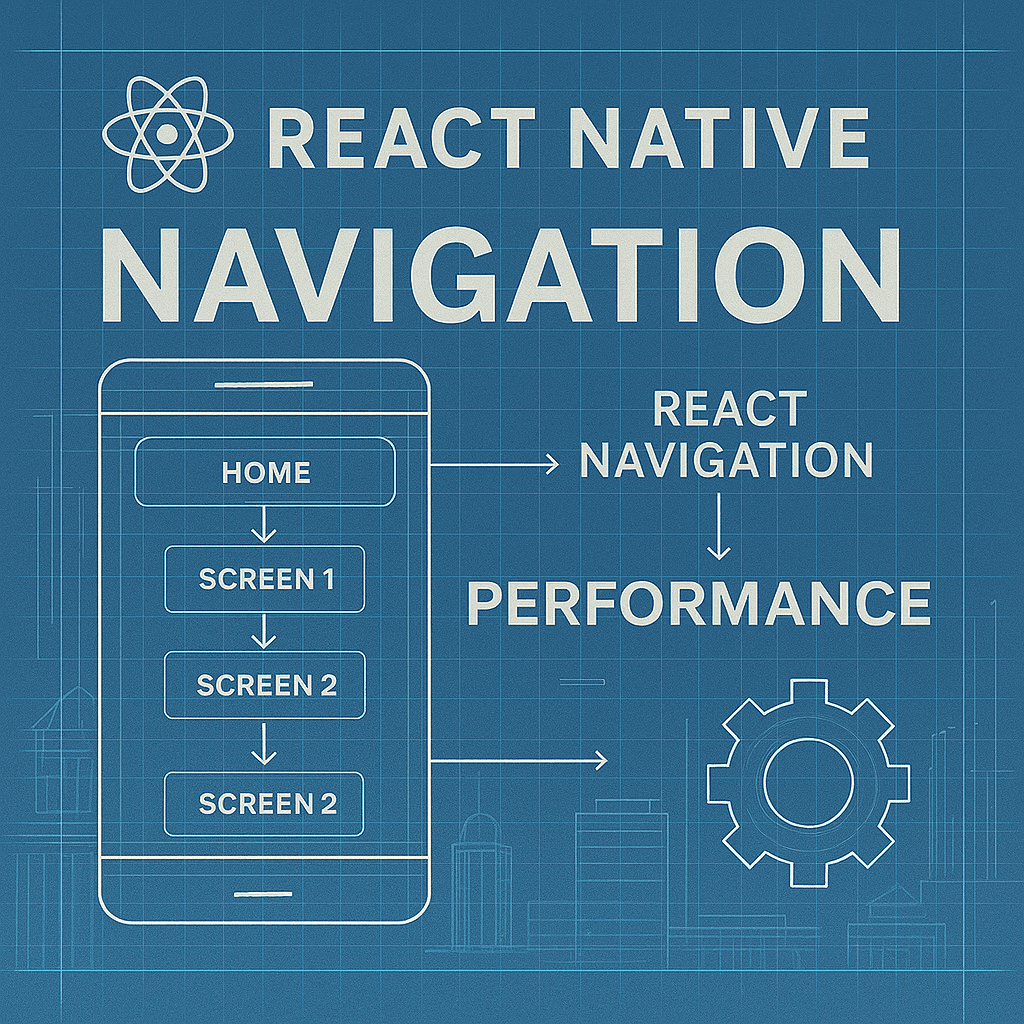
In React Native, navigation is the backbone of user experience. Choosing the right navigation library can make or break your app’s performance, developer productivity, and scalability. The two dominant players in 2024 are React Navigation and React Native Navigation (by Wix).
This in-depth guide compares React Navigation vs React Native Navigation across performance, ease of use, customization, TypeScript support, and real-world adoption. Whether you're building a startup MVP or a large-scale enterprise app, this article will help you make the right choice for your React Native navigation strategy.
Understanding React Native Navigation Landscape
Before diving into the comparison, let’s clarify the two libraries and their origins.
React Navigation: The Community Standard
React Navigation is a JavaScript-based navigation solution maintained by the React Native community. It’s the default choice for most new projects and powers apps like Instagram, Shopify, and Discord.
React Native Navigation: The Native Performance King
React Native Navigation (RNN) by Wix is a native-driven library that uses platform-specific navigation components (UINavigationController on iOS, FragmentManager on Android). It was built for maximum performance in large apps.
Performance Comparison: React Navigation vs React Native Navigation
Performance is the #1 reason developers consider React Native Navigation. But how much does it really matter?
React Navigation (v6+) with Reanimated 2
Modern React Navigation uses react-native-reanimated and react-native-gesture-handler for buttery-smooth 60fps animations. The gap with native performance has significantly narrowed.
React Native Navigation: True Native Performance
Uses native navigation stack → zero JS thread blocking
Faster screen transitions (especially on Android)
Better memory management with native view recycling
Ideal for apps with 50+ screens or heavy animations
Verdict: RNN wins on raw performance, but React Navigation is good enough for 95% of apps.
Ease of Setup and Developer Experience
React Navigation: Zero Native Code
React Native Navigation: Native Setup Required
Requires iOS (CocoaPods) and Android (Gradle) configuration. Not ideal for JS-only teams.
Winner: React Navigation for faster onboarding and pure JS workflow.
Customization and Theming
React Navigation: Unparalleled Flexibility
Full control over headers, tab bars, and drawers
Easy theming with
ThemeAPICustom navigators and transitions
Deep integration with React context and hooks
React Native Navigation: Limited by Native Constraints
Customization requires native code or predefined options. Harder to create unique designs.
TypeScript and IDE Support
React Navigation offers first-class TypeScript support with auto-generated types and excellent IntelliSense.
React Native Navigation has improving TS support but still lags behind.
Navigation Patterns and Advanced Features
Deep Linking
Both support deep linking, but React Navigation has simpler configuration with linking prop.
Nested Navigators
React Navigation excels at complex nesting (stack inside tab inside drawer).
State Persistence
RNN persists native navigation state automatically. React Navigation requires persistenceKey or AsyncStorage.
Community, Documentation, and Ecosystem
React Navigation
40k+ GitHub stars
Active development (weekly releases)
Huge plugin ecosystem (
@react-navigation/drawer,bottom-tabs, etc.)Excellent documentation with live examples
React Native Navigation
13k GitHub stars
Slower release cycle
Limited third-party plugins
Documentation is functional but less beginner-friendly
Real-World Adoption and Case Studies
Apps Using React Navigation
Instagram
Shopify
Discord
Notion
Microsoft Teams
Apps Using React Native Navigation
Wix
eToro
Some internal enterprise apps
When to Choose Which Library
Choose React Navigation If:
You want fast iteration and JS-only workflow
Your app has < 30 screens
You need high customization or unique UI
You're using TypeScript
You're building an MVP or startup
Choose React Native Navigation If:
You're building a large app with 50+ screens
Performance is critical (e.g., gaming, trading)
You have native iOS/Android expertise
You need maximum control over memory and transitions
Migration Strategies
Migrating between libraries is painful. Plan your choice early. If you must migrate:
Start with new screens in the target library
Use a navigation wrapper to abstract the API
Gradually replace old navigators
Test deep linking and state persistence at each step
Best Practices for React Native Navigation
Use native stack navigator for better performance
Enable
react-native-screensandfreezeOnBlurLazy load screens with
React.lazyUse
useFocusEffectinstead ofuseEffectfor screen logicImplement proper error boundaries
Test navigation flows with
@react-navigation/native/testing-library
Conclusion
In 2024, React Navigation is the clear winner for most React Native apps. It offers excellent performance, unmatched flexibility, and a thriving ecosystem. React Native Navigation remains a niche choice for extreme performance requirements.
Start with React Navigation. Only switch to RNN if you hit measurable performance bottlenecks in production—and have the native expertise to maintain it.
FAQ
Is React Native Navigation still maintained?
Yes, but with slower updates. Last major release was v7 in 2023.
Can I use React Navigation with Expo?
Yes! React72 Navigation is fully supported in Expo (managed and bare workflows).
Does React Navigation work with the New Architecture (Fabric)?
Yes. v6+ has full support for Fabric and TurboModules.
Which has better animation performance?
React Native Navigation is slightly faster, but React Navigation with Reanimated 2 is nearly indistinguishable.
Should I avoid React Native Navigation in 2024?
Not necessarily—but only choose it if you need native performance and can handle native code.
React Native
Performance
Navigation
React Navigation
Mobile